
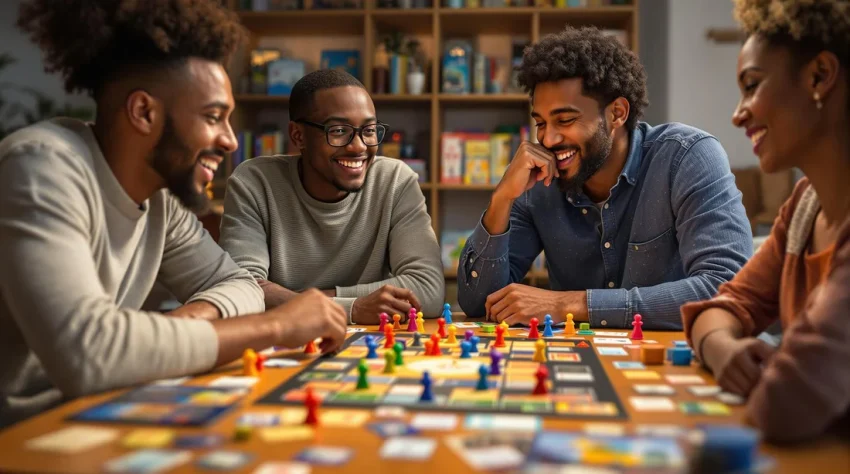
For decades, gaming was built around competition. Whether you were racing to finish a level, defeating an opponent in a fighting game, or battling for territory on a board, the core idea was simple: one winner, one loser. But as gaming culture evolved, a new trend reshaped the landscape — cooperative gaming. Instead of pitting players against each other, co-op games encourage them to join forces, strategize together, and overcome challenges as a unified team. This shift has transformed everything from tabletop titles to digital blockbusters and even inspired platforms that highlight both cooperative and competitive styles, such as Board Game Duel.
Cooperative gaming isn’t just a niche anymore — it’s a global movement. Families, friends, and online communities are embracing the joy of shared victories, collaborative storylines, and the emotional satisfaction of solving problems side by side. But what sparked this rise, and why do cooperative games resonate so strongly with modern players? To understand that, we must explore the psychological, social, and design-driven forces behind the trend.
The Evolution of Cooperative Gaming
Co-op play didn’t appear overnight. Early forms existed in classic tabletop RPGs like Dungeons & Dragons, where party members worked together. But widespread cooperative gaming took off in the 2000s and 2010s with:
- Board games like Pandemic, Forbidden Desert, and Arkham Horror
- Video games like Left 4 Dead, Minecraft, and Portal 2
- Online multiplayer titles such as Destiny and Warframe
These experiences revealed how deeply rewarding teamwork could be.

Why Cooperative Games Became So Popular
1. Modern Players Crave Connection
With technology dominating our lives, people are hungry for meaningful social interaction. Co-op games offer:
- Face-to-face bonding
- Shared problem-solving
- Moments of celebration
- Opportunities for teamwork
They turn gaming sessions into collaborative adventures rather than isolated competition.
2. Co-op Games Reduce Stress
Competitive games can be thrilling, but they also generate tension. Cooperative play:
- Reduces pressure
- Encourages communication
- Makes failure feel less personal
- Turns challenges into group experiences
Instead of “you versus me,” it becomes “us versus the game.”
3. Collaborative Wins Feel More Rewarding
There’s something special about achieving something together. Whether it’s defeating a boss, curing diseases in Pandemic, or escaping a dungeon, the triumph feels bigger when shared.
4. They’re Perfect for Mixed-Skill Groups
Not everyone at a game night has the same experience level. Co-op games allow:
- Beginners to learn at their own pace
- Advanced players to guide the group
- Everyone to contribute meaningfully
This inclusiveness makes co-op gaming ideal for families and friend groups.
The Core Elements of a Great Cooperative Game
Not all co-op games succeed. The best ones share key characteristics:
1. Clear Shared Goals
Players shouldn’t fight each other for victory — the objective must be unified:
- Save the kingdom
- Defeat a common enemy
- Solve a mystery
- Survive as a team
A strong central mission keeps players aligned.
2. Specialization and Unique Roles
When players assume different roles or abilities, teamwork becomes essential. For example:
- A healer, tank, and DPS in RPGs
- A medic, scientist, and dispatcher in Pandemic
- Class-based systems in co-op shooters
Unique roles ensure every player feels useful.
3. Balanced Challenge
The game must be difficult enough to feel meaningful — but not so difficult that players feel helpless. Great co-op games adjust dynamically or scale with player count.
4. Tension and Surprises
Good cooperative games include unpredictable twists:
- Sudden enemy attacks
- Randomized events
- Limited resources
- Time pressure
These elements force teams to adapt on the fly.
5. Strong Communication Design
The design should encourage — or even require — communication. A lack of communication should make failure likely.
Popular Genres Within Cooperative Gaming
1. Survival Co-op Games
Players gather resources, build shelter, and fend off threats. Examples include:
- Don’t Starve Together
- The Forest
- Valheim
Team coordination becomes critical.
2. Puzzle-Based Co-op Games
Games like Portal 2 or Keep Talking and Nobody Explodes challenge communication and logical thinking.
3. Story-Driven Co-op Adventures
Narrative games such as:
- A Way Out
- It Takes Two
blend cinematic storytelling with teamwork-based gameplay.
4. Cooperative Board Games
Modern tabletop co-op titles include:
- Gloomhaven
- Spirit Island
- Mysterium
These games combine deep strategy with shared goals.
How Co-op Gaming Strengthens Relationships
Cooperative games strengthen social bonds because they require:
- Trust
- Communication
- Patience
- Encouragement
- Shared emotional investment
Studies show that teams who play cooperative games often report stronger friendships and more positive interactions.
The Future of Cooperative Gaming
The future is bright for co-op titles. Expect to see:
- More cross-platform cooperative modes
- AI companions that adapt to your style
- Hybrid board-digital games
- VR teamwork experiences
- Large-scale online co-op worlds
Developers are doubling down on teamwork as a core part of the gaming experience.
Final Thoughts
Cooperative gaming is more than a trend — it’s a fundamental shift in how people enjoy games. It reflects our natural desire to connect, solve problems together, and celebrate shared accomplishments. Co-op games bring out the best in players, fostering communication, trust, and creativity. Whether played on a board, console, or PC, they remind us that victory feels sweeter when earned as a team.