

Vast underwater structures form gentle systems that support countless living forms through natural harmony built over many years. These spaces host complex interactions that guide quiet movements between species, creating unity shaped by careful balance. As water shifts through different layers, creatures respond through instinctive actions that maintain order. Such coordination supports long-term continuity, protecting delicate life that depends on shared understanding. Observers gain a deeper appreciation when learning how every small interaction influences wider patterns across these underwater regions. Growing curiosity encourages many to read more facts about reefs as they seek clear knowledge describing these meaningful stages forming dependable ocean stability.
Reef Elements Strengthening Marine Balance
Reef features support larger cycles that allow ocean systems to remain steady. These elements form core foundations that influence creatures that live around them. Over time, these structures become powerful anchors that secure nearby regions.
Reef Pathways Truly Important
Reef pathways guide creatures traveling through multiple regions, which helps them avoid danger with natural precision. These routes provide direction during shifting moments, forming safe links that shape survival. Their consistency builds order.
Collective Behaviours Forming Strong Patterns
Shared actions among creatures hold great influence within reef regions. These actions create chain responses encouraging balanced movement. Such reactions form a wider harmony sustaining many life forms that rely on these rhythms.
- Smooth glides support groups allowing gentle coordination across vibrant pockets
- Mutual signals strengthen communication, shaping steady positions near reef forms
- Shared territories provide calm order, forming clear roles for varied organisms
- Cooperative awareness encourages safer passage of guiding species through busy areas
- Subtle presence of groups shapes patterns showing cooperative rhythm through spaces
- Quiet interaction gives species purpose, assisting order across their chosen areas
- Linked movement supports survival while feeding habits create a steady structure
- These combined behaviours secure patterns that allow long-term development
Environmental Shifts Guiding Reef Adaptation
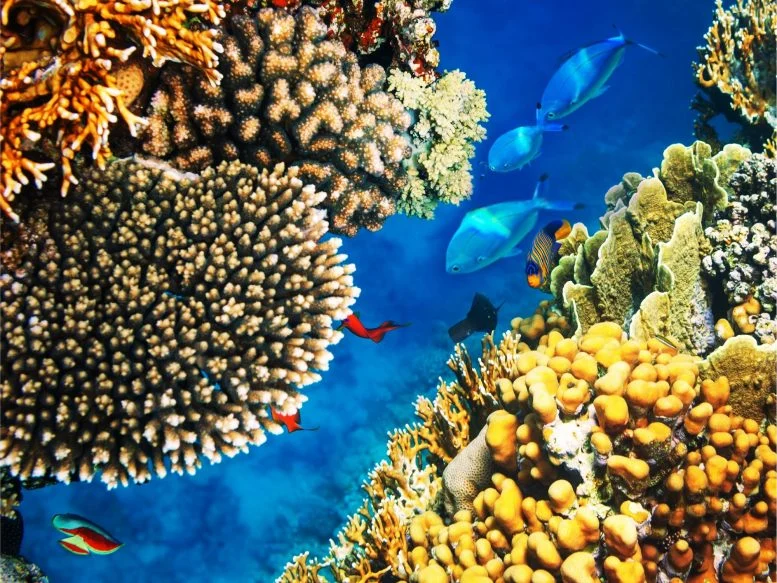
Reefs respond to steady changes by adjusting small elements that shape their outer layers. This helps maintain stability across long periods, which encourages continued growth. Such transformation fosters resilience, which supports wider systems.
Natural Systems Supporting Reef Life
Each reef space holds unique roles that maintain structure across varied areas. These roles support both large and small organisms that depend on each other during different periods. Such harmony shapes strong survival pathways.
- Coral branches provide shade, supporting tiny creatures across tight corners
- Water flow guides growth, helping organisms settle inside safe sections
- Colour signals assist species in forming natural order across reef spaces
- Many learners search to read more facts about reefs for deeper clarity
Reef Knowledge for Learners
- Why do reefs hold diverse systems?
They contain layered communities forming natural stability.
- What helps creatures survive changes?
Signals guiding them around safe reef sections.
3.How do reef shapes influence movement?
They create pathways leading species through suitable areas.
Balanced Cycles Continue
Understanding reef strength grows when observing how natural systems connect through shared acts shaped across long stretches. Each feature contributes quite a bit of support, allowing broader patterns to maintain steady form during shifting conditions. Observers recognising these elements gain a clearer appreciation for gentle interactions guiding many species across their chosen areas. Such knowledge inspires deeper care, encouraging thoughtful protection that strengthens future stability shaped through longstanding unity.